It is possible for startups to remain in business for years without taking seriously the idea of ISO 27001. A potential enterprise client sends an email to “Please give us ISO 27001 as part of our vendor evaluation.”
The certification issue is no longer a topic that will be debated next year. It’s tied into a contract that the company would like to terminate.
ISO 27001 can be a excellent starting point, particularly for growing businesses. It’s an uphill task to decide the steps to take in order to turn a simple project into a compliance plan for larger companies.
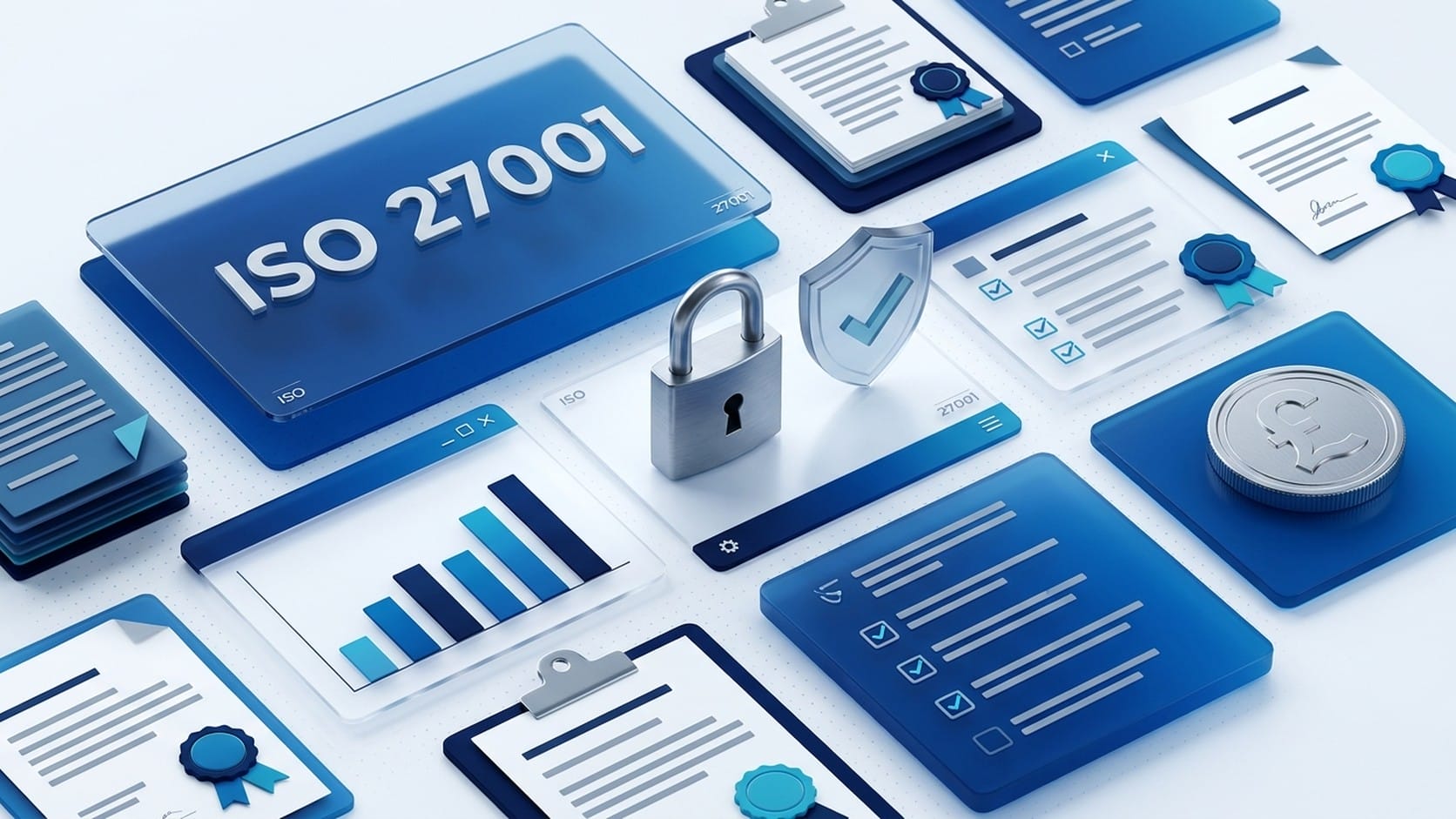
This Week, affixed to Scope, and not shopping
First instincts may prompt you to begin comparing platforms and compliance experts. The better place to begin is to identify what the Information Security Management System, or ISMS must cover.
The scope of the project is important since adding unneeded processes, systems, or locations to the documentation can create additional evidence and documentation requirements.
Small SaaS businesses, for example, may have an environment that’s focused around cloud infrastructures including employee devices, client data, and only few key vendors. Understanding the surroundings will assist in determining which certification is required.
Look over the Security You Already Have
Companies researching ISO 27001 for startups sometimes assume they need to build an entirely new security operation.
This may not be accurate.
A modern-day startup may require multi-factor authentication, restrict employees’ rights, manage records of system activity, control backups, document onboarding and offboarding, and utilize the most well-known cloud providers. It’s still important to evaluate current practices against ISO 27001, but if you start with what works now, it can save unnecessary duplicates.
The documentation of policies, the risk assessment, determining the relevant Annex A Controls, completing the Statement for Applicability and gathering evidence are the remaining tasks.
You will now be able to determine which invoices pay for what
It’s much easier to comprehend ISO 27001 costs when they aren’t summed up into one number.
The initial costs for a small business could be anywhere between $10,000 and $30,000 according to the amount of time spent by staff, the software used to ensure compliance, and independent audits of certification. Consulting can be a cost in addition but it’s not mandatory rather than an automatic obligation.
The ISO 27001 certification cost charged by an accredited certification body is particularly important to differentiate from software-related fees. The compliance platform functions as a tool that organizes work however it cannot issue the certificate. Certification is awarded by an audit conducted by an independent company.
Then Comes the Evidence
It’s not enough to write the policy that states that employees are not allowed access after they leave. The auditor needs to see evidence that the system is implemented.
ISO 27001 is based on the distinction between showing and saying.
CertAssist is designed to help you organize this process without connecting directly to live systems of a company. It displays all 93 ISO 27001:2022 Annex A controls on a single board allows for editing of policy and evidence templates as well as the Statement of Applicability and provides read-only auditor access.
Templates can be employed by small groups to avoid the tedious task of creating each policy from scratch.
The Line to the Finish Line isn’t Certification Day
A business that is beginning from scratch could take anywhere from three to six months preparing for certification dependent on its current security procedures and resources. The certification body will then carry out Stage 1 and Stage 2 auditories.
The fact that these audits are passed isn’t a reason to forget about the ISMS. The ISMS should continue to monitor controls and provide evidence. Following certification, surveillance audits must be performed.
This is an important factor to think about when designing the program. Small businesses don’t just require an ISMS it can afford to create. It needs an ISMS to ensure that the team will be able to function realistically once the initial project has concluded.
Rarely is the ISO 27001 programme for smaller organisations the most intelligent. The most effective ISO 27001 program is the one that meets the standards, is based on actual security practices, and is able to be able to withstand scrutiny by an independent third party and remain manageable after everyone returns to work.