The toilets in parks can appear to be an insignificant part of a massive public undertaking. Yet delivering that one building might require landscape architects, engineers, contractors and permitting authorities, suppliers of materials fixtures, manufacturers of fixtures, and the property owner.
Every transition has a straightforward yet vital question.
Who is responsible to ensure that the stages are connected in a proper manner?
For park managers and project teams who want to compare the top park restroom designers, that is more informative than a look through the gallery of completed projects.
Watch the Handoffs
Imagine a bathroom which has already been conceptualized. The dimensions are appropriate and the design was decided on for the exterior, and the rendering is well-liked by everyone.
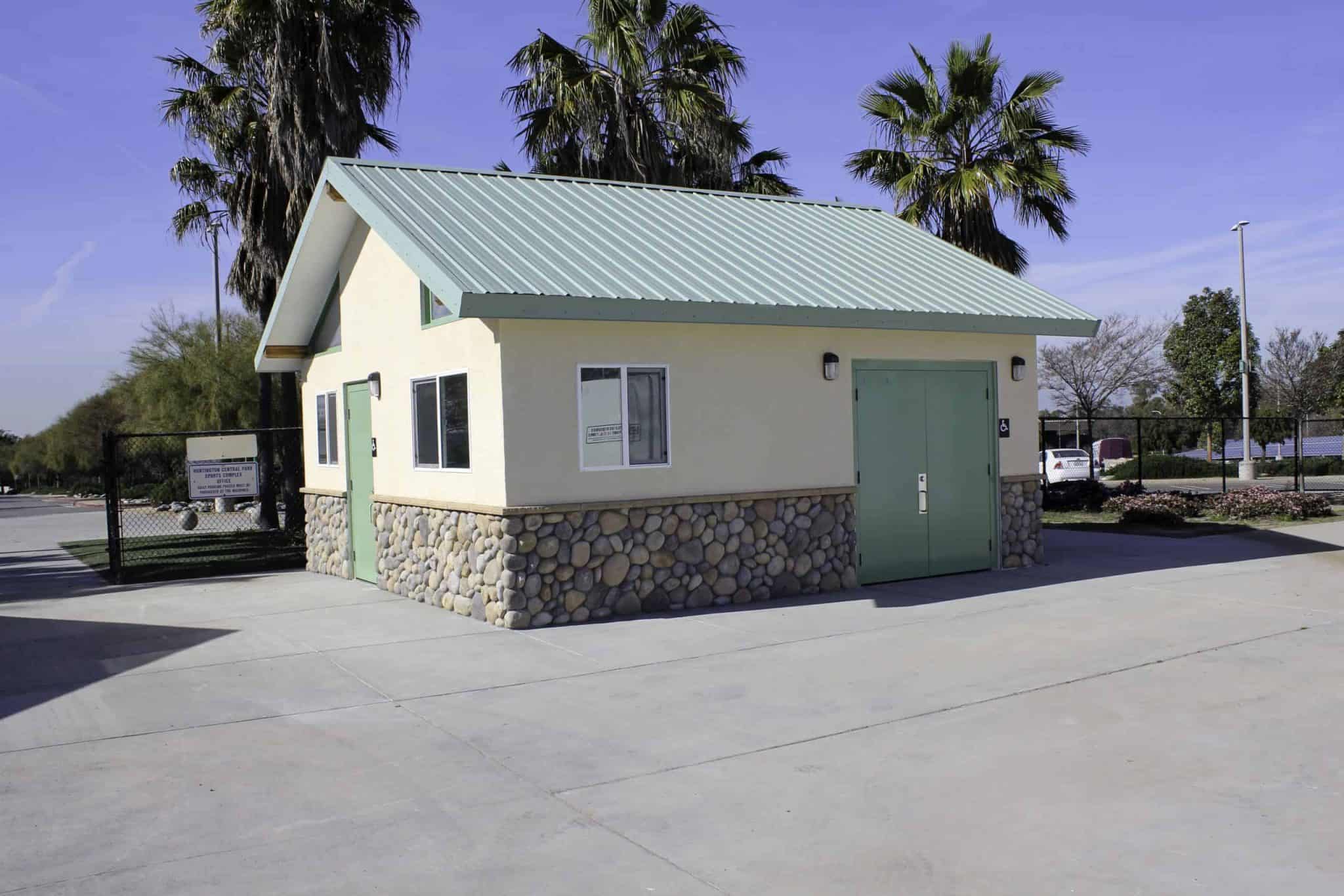
Image credit: romtec.com
Then engineering begins. An adjustment is needed, which affects the layout. The change has an impact on the specifications of a component, and consequently it is a factor in the procurement. Afterward, the contractor figures that the assumption made in design does not match what was supplied.
These types of issues don’t necessarily suggest that someone made a serious mistake. These issues illustrate how difficult it is to coordinate when responsibility has been split among several groups.
The most suitable candidate for park design professional should be judged on more that just their creativity. Knowing the codes, components, requirements for engineering, documentation real-world construction, and accessibility standards can assist in making design decisions that can be correlated with the building that is eventually constructed.
Ask What the Proposal Actually Doesn’t Include
Two similar proposals for building may have very different scopes.
A package could include a complete structure. One could cover preliminary design and construction assistance, and renderings, drawings and engineered plans.
If you compare only the lowest cost, but without knowing why they are different, it may be inaccurate.
Romtec will give you free estimates and sketches, as well as specifications, drawings and renderings to accompany your bid package. The process continues following acceptance to include all submissions as well as engineered plans.
This gives designers and owners an easier path to move from an idea into a building which is ready to be constructed.
Custom Requirements require early attention
Rarely do public-private projects operate under the same conditions.
A community might want to use environmentally conscious materials and fixtures. Others may have a distinct design theme. Landscape architects might require unusual colors or siding to visually link the restroom with other park structures.
The decisions they make can affect more than just appearance. These decisions may affect components of documents, documents, procurement construction and engineering.
Addressing special requirements early gives the team working on the project an opportunity to incorporate them intentionally instead of trying to modify them when major decisions have already been made.
Construction knowledge changes the design conversation
The best park restroom builder for a particular project should understand that a drawing eventually has to become a physical structure.
Romtec creates, produces products, supplies and builds structures for public use. Romtec can offer building packages that are integrated into larger construction projects or offer turnkey construction.
That design-to-construction experience creates a practical perspective: decisions made at a desk eventually have consequences on a jobsite.
Be sure to evaluate the journey, not Just the Destination
The bathroom you have finished won’t reveal the whole coordination that occurred before the day of opening.
Visitors can see the building. Visitors can see the building. Teams from the project are involved in all the decisions that led to the construction process, including design, estimation, documenting, engineering and approvals.
This is why selecting an appropriate park building partner shouldn’t stop at the question “Do you enjoy their buildings?”
A more useful question is:
Can this company help us transform the building that we envision to the one we can actually open to the public?