In the medical field, it is easy to believe that higher quality imaging translates to more precise images. However, the practice of radiology is more purposeful than this. The important question is whether the examination can provide the necessary information for the specific medical scenario.
If a patient is checked for a breast or prostate problem the diagnostic criteria differ. Modern radiology can take into account the various differences using various imaging techniques rather than a single scanner that can be used in all scenarios.
The private consultation available at the Wolfsburg Diagnostic Center gives patients access to many imaging-guided and diagnostic services in one practice of radiology.
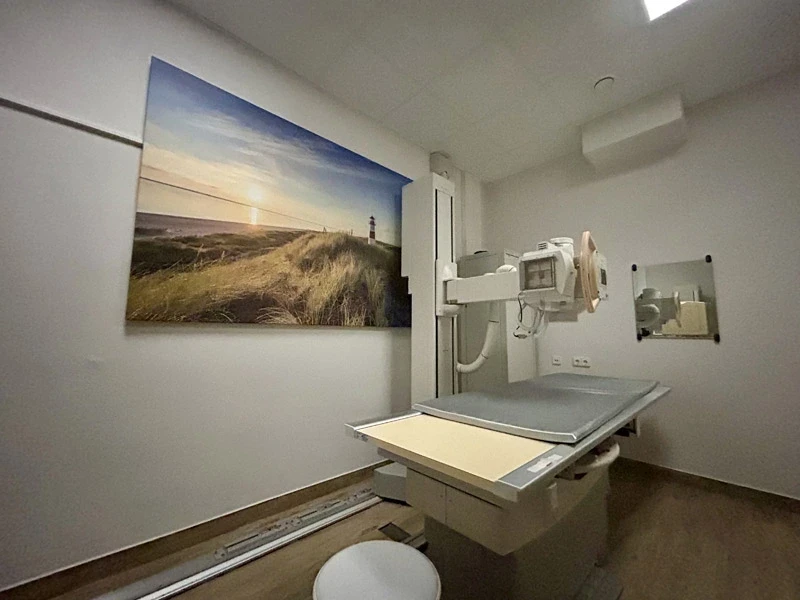
Image credit: diagnostikzentrum-wolfsburg.de
Different parts of the Body Have Different Expressions
Utilizing different imaging techniques, the bones, soft tissues organs, joints, organs and other structures do not appear exactly the same way.
Magnetic resonance imaging is especially useful in situations where a detailed view of a variety of soft tissue structures is needed. The Wolfsburg Diagnostic Center operates two modern 1.5 Tesla MRI scanners and examines areas such as the spine, brain, joints, internal organs and soft tissues.
MRI uses no X-rays. The center also provides more specific examinations, such as prostate MRI and whole-body MRI as long as it is medically permissible.
The most practical advice for patients is simple: the term “MRI” describes the technology, however the medical question will determine how the technology is used.
CT Offers a Different View
In diagnostic medicine, CT performs an important role. CT makes use of X-rays in order to create high-quality cross-sectional images of the human body. Low-dose technology is employed at the Wolfsburg Diagnosis Center to decrease radiation while maintaining the quality of the images.
The most appropriate method of imaging is determined based on the individual clinical situation. The quality of sound produced by scans does not necessarily indicate its suitability.
Digital X-Rays are Still Relevant
MRI, CT and other imaging technologies are gaining a lot more attention. This could make traditional X rays seem outdated. The X-rays that are digital the present tells a completely different story.
Digital systems continue to provide an established method for examining the skeletal system. Modern equipment integrates high-resolution imaging and techniques designed to minimize radiation exposure.
The newer technology has expanded the radiologists’ options, rather than replacing all methods that came before them.
Breast Imaging Can Benefit the context of a specific method
Breast diagnostics are yet another type of imaging that is specific. The center offers mammography, which includes 3D mammography and tomosynthesis as and breast ultrasound. These techniques can offer different kinds of information, based on the patient’s medical conditions.
Radiology is not an exception. To be able to use imaging effectively, you must first be aware of what requires investigation.
Sometimes Imaging Helps Guide Treatment
Radiology goes beyond detecting or monitoring abnormalities. The Wolfsburg Diagnostic Center offers CT-guided Periradicular Therapy (PRT) in which CT imaging can be used to direct the procedure. Another option is low-dose radiotherapy.
These examples show how medical imaging goes beyond simply observing to guide the treatment.
Focusing on a specific question with precision
A modern diagnostic center isn’t determined solely by the number of machines it operates. The value of a diagnostic center is also in making use of the appropriate technology to meet clearly defined medical requirements and having experts who are experienced interpret the resulting images. To learn more CT Wolfsburg
Patients can have direct access to specialist medical care and a wide range of radiological exams during private consultation time.
It is not simply about generating more images. It’s about producing clinically useful information that will assist doctors and patients to better understand the medical problems being examined.