Draw a box around a lift station in a civil layout and you can think of it as a self-contained piece of equipment.
In reality, water arrives from somewhere, passes through the station and is carried on to somewhere else. The station also relies on electricity, controls access to sites, structural components, and connections to surrounding infrastructure.
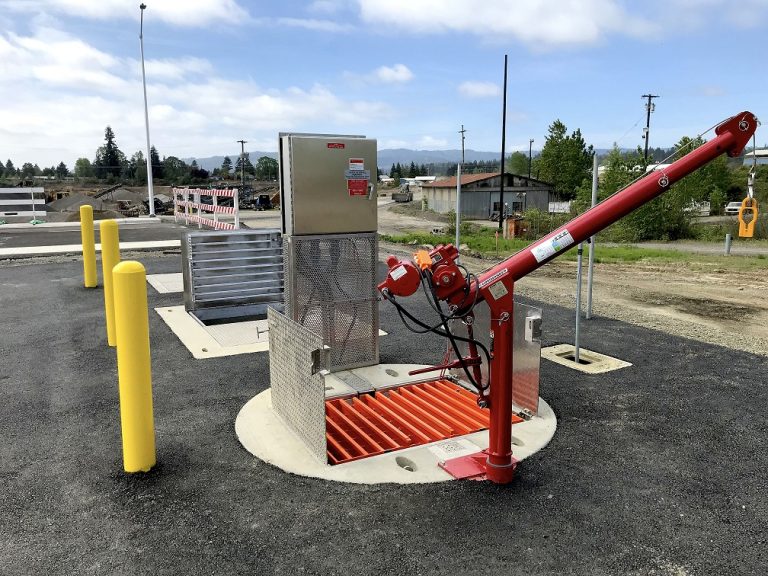
Image credit: romtecutilities.com
For project teams searching for the best lift station designers, one useful question is whether the engineering considers those interfaces not merely what happens inside the station.
Start Upstream of the Wet Well
Let us take a brand new residential development as an example. The water is moved from the collection system towards the lift station. The flow conditions in the incoming system as well as elevations at the site will help establish what the station will be expected to handle.
Once wastewater has reached an un-dampened well it is then a fresh set of engineering choices are made. The piping and pumps, the valves and controls, the structural elements, and possibly any other elements must fit the requirements.
Romtec Utilities engineers wastewater systems specifically for individual sites, including municipal, commercial, industrial, and development applications.
The project-specific approach is important because what happens upstream could change the goals of the pumping station.
Follow the water beyond the pumps
The engineering challenge doesn’t stop after the liquid has left the well. The pumping system needs to move it according to the conditions in the downstream system. The pump’s configuration and the flow requirements are affected by required head and flow conditions.
This aspect is crucial when you are evaluating the top wastewater designers. It is not enough for a machine to have impressive specifications on its own. It should also perform in a way that is compatible with the hydraulic system.
Romtec Utilities can design the mechanical, electrical, structural and communication elements of a pumping station into an integrated system, helping coordinate the equipment with the guidelines for the project.
Stormwater is a unique network of Connections
Stormwater is a unique infrastructure puzzle. Runoff may enter the collection system via developed surfaces, before moving to detention, treatment or drainage infrastructure. Pumping stations are part of a wider stormwater management strategy.
It is vital for those searching for the most efficient design of stromwater to look at the specific conditions on the site, the rate of flow, the head requirements, environmental aspects and the surrounding stormwater plans.
Romtec Utilities provides customized stormwater pumping system for residential and commercial projects.
Coordination Extends Above Ground Too
Not all interfaces involve pipes. Electrical service needs to be supported by the equipment. Control and communications systems have to be tailored to the project. Contractors require plans and documentation. Access to the physical location may be required for installation, startup and later service.
The system documentation is especially important because these connections could have multiple participants and disciplines. Romtec Utilities can provide complete plan of work and documentation, in addition to support for its systems during beginning, testing and commissioning.
Take a look beyond the station’s Boundary
A lift station can be engineered correctly as an individual facility and still be part of a badly coordinated project if the external connections haven’t received enough attention.
The water is a useful design guide. Where does it originate? What conditions should it fulfill to reach the station? What happens when it’s there? Where will it go afterward? What infrastructure is required to make the whole process operate?
The answers to these questions transform lifting station design from an equipment exercise into infrastructure engineering.