It is often difficult to find a job in technology when each listing needs a different set of skills. Another company wants a blockchain engineer and another is hiring a specialist in decentralized finance marketing. The three positions are all part of the same field, however they each have different tasks.
Knowing the differences will assist professionals in finding jobs that complement their skills and experiences.
Which Blockchain job best fits your background?
The field of blockchain covers much more than exchanges of digital assets and trading in cryptocurrency. The blockchain industry comprises companies who develop decentralized applications such as digital wallets, financial protocols as well gaming platforms as well as infrastructure for supporting them. These firms require specialists in product development, engineering and marketing, as well as customer service and compliance.
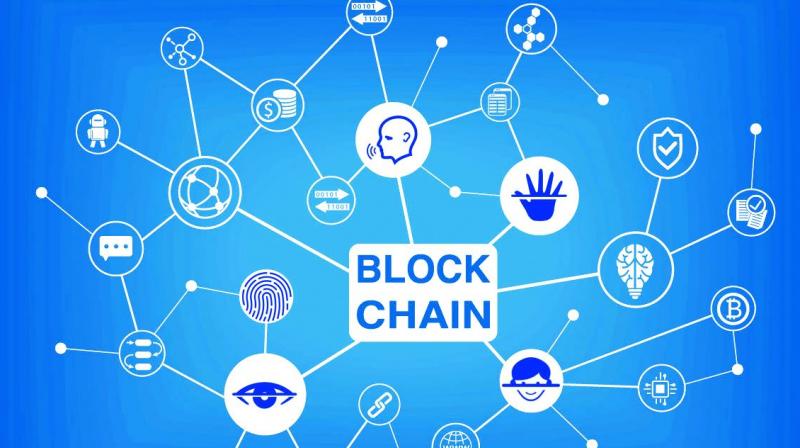
Smart contract programming is a field which software developers could be interested in, and seasoned product managers can help to enhance the functionality and usability of apps that are decentralized.
Candidates should first determine the type of work they’re interested in, rather than apply to all Web3 positions. Certain people who have extensive background in traditional software engineering may be more suitable for a Blockchain position than they think.
What are the jobs of Blockchain Engineers Actually entail?
The technical positions are different among employers. Some blockchain engineer jobs focus on developing and testing smart contracts. Other responsibilities include building APIs, maintaining infrastructure for networks as well as integrating wallets and processing of transactions.
Rust and Solidity are both used by parts of the blockchain ecosystem.
However, programming language knowledge alone may not be enough. Employers may also be searching for an understanding of distributed systems, software tests security, security principles, and the control of versions.
People who are interested in engineering jobs should examine each job description carefully to determine if the employer requires protocol development, application development or infrastructure knowledge.
A solid portfolio can help strengthen an application. A project that includes work-in-progress code and automated tests as well as security issues will usually be more comprehensive.
Flexible Remote Blockchain Jobs: Read on to Learn More
Web3 has a variety of distributed teams. Blockchain jobs that are remote are attractive to those who prefer to work outside of the traditional workplace.
However, remote work could have some limitations. Employers might accept applicants only from certain countries or may require that their working hours overlap with its main development team.
It is also important to pay attention to the arrangements for compensation. Some employers pay salaries in the traditional way and others offer a mix of equity, cash as well as digital tokens. The applicants must be aware of how compensation is calculated as well as when the payments are made, and whether token awards are subject to vesting or market volatility. Clarify employment status as well as hours of work, benefits and payment plans before taking a decision.
How do you recognize a trustworthy Employer in Blockchain?
An authentic-looking website isn’t enough evidence that a job opportunity is reliable. Research the company’s product, its leadership of the organization, as well as public documents and the recruitment process. Go through the technical documentation that is available and public repositories for jobs in development to get a greater understanding of the organization is making.
Be extra cautious if recruiters request upfront fees for private wallet keys, seed phrases. These are not typical conditions to apply for a job.
Candidates can narrow their search by using specialized employment platforms. Blockchain Jobs connects professionals with Web3 employers by providing vetted profiles from verified companies. The platform offers a wide array of possibilities for both technical and not-so-technical roles. It allows job seekers to find the right job without having to browse for jobs that aren’t relevant.
Design an application that is centered around the employer’s needs
A strong resume should explain how previous experience relates to the responsibilities listed. Developers can highlight their completed applications, contributions to open source, testing practices and relevant programming abilities. Marketing candidates might highlight the outcomes of campaigns, community involvement or the ability to explain the complexity of products.
Transferable skills are particularly beneficial for those who are looking to change careers. Web3 will benefit from the experience gained in managing releases of software, constructing financial applications, and supporting technical clients.
Avoid presenting an insufficient understanding of cryptocurrency as equivalent to blockchain knowledge. Employers will appreciate evidence of the skills candidates actually deliver.
Find Your Next Move a Career Plan
To find a job for blockchain jobs, you require more than just enthusiasm for the latest technology. Candidates must understand the job openings and be aware of the qualifications. They must also review their employers and write applications that show relevant experience.
A targeted search can yield more results than applying for every job.
Platforms like Blockchain Jobs are a great way to start looking for opportunities, comparing job requirements and connecting with businesses working in the decentralized tech ecosystem. A good job offer should be more than just an intriguing job title. It should give you an opportunity to expand your knowledge as well as a professional path that’s worthy of your time.