The month has come to an end. The month has ended.
Then you check the restaurant’s bank account.
The number you received isn’t what you’d expect.
This can be very frustrating for restaurant owners because they feel that profits and cash flow should tell the same tale. These two things don’t match together. The P&L is a metric of financial performance. In contrast, the bank account is a record of the time when money flows in and out.
Understanding the different aspects could help restaurant owners shift their views on the restaurant’s finances.
Imagine what could happen on an average week. The customers pay for food. The payment of employees is essential. You will receive invoices with food and beverage deliveries. Rent is nearing. The time frame for the credit card deposit is different. Sales tax is collected, however that money is subject to an obligation.
In the meantime, next week’s purchase has already begun.
If you only look at the amount of revenue or profits, you’ll be missing a lot of this action.
The clue could be hidden in the Prime Cost
When the profitability of restaurants starts to change in the wrong direction, then food, drinks, and labor costs deserve focus.
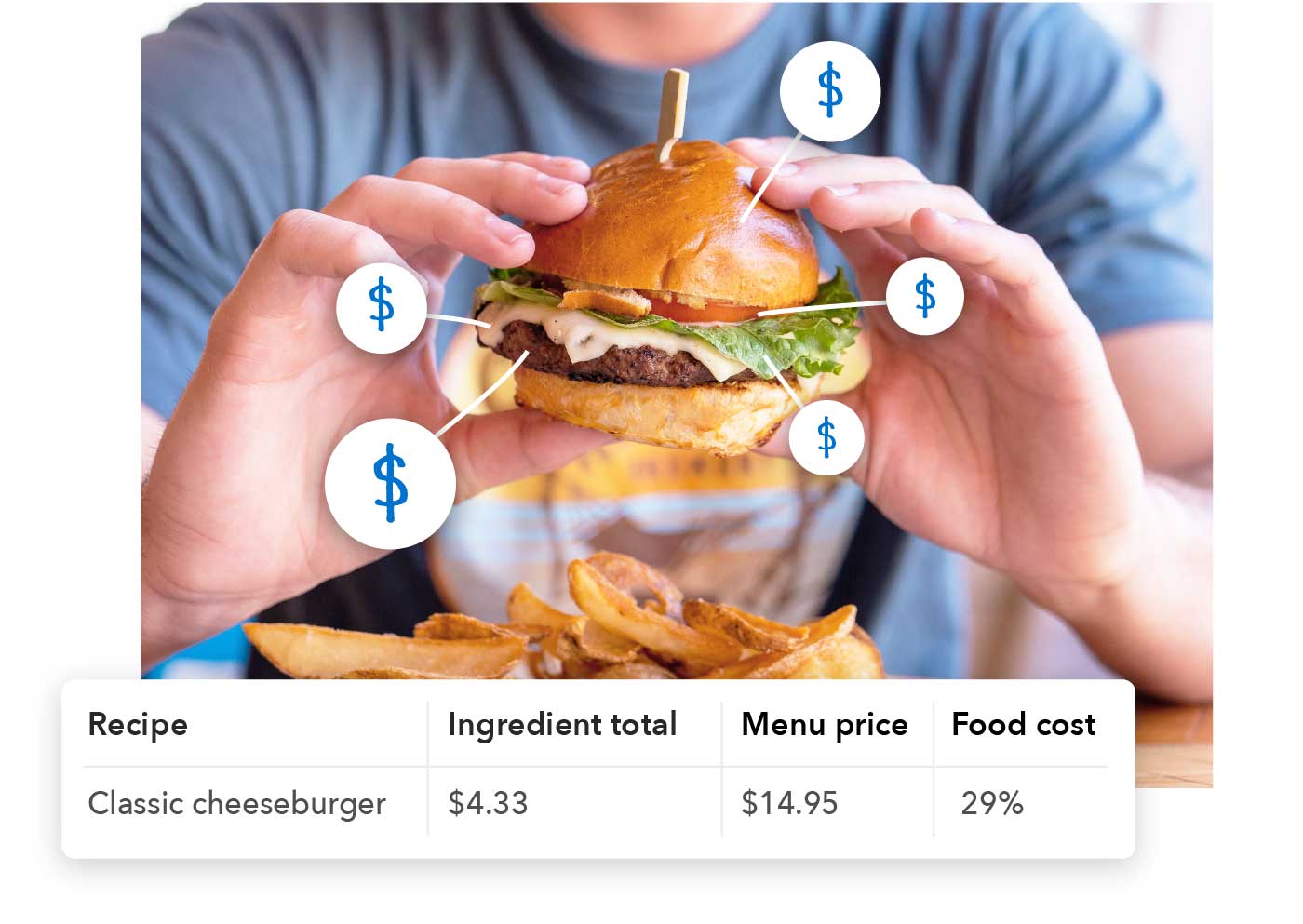
The prime cost is comprised of both the cost of products and labor. The Bookkeeping Chefs’ instructions place the main cost between 60 and 65 percent of revenue for many restaurants. They also suggest the importance of weekly monitoring rather than waiting until the month ends.
Effective primary cost management requires less focusing on a single percent and more being aware of earlier movement.
If the restaurant is performing in line with its goals However, this week’s number is higher. Maybe the number of overtime hours increased. Perhaps the cost of beverages was stable, but food costs increased. The chef may look over menus or waste, portion sizes or vendor invoices, as well as purchasing if the proportion of food is greater.
The percentage raises the question. The underlying restaurant activity provides the answer.
Weekly reports allow for this discussion to occur even though everyone is aware of what’s happened.
The details are more difficult to remember the next day or two.
The Vendor’s bills arrive
A restaurant could purchase the ingredients this week but pay for these items in the future. This can help explain how profit alone will not be enough to answer all cash questions.
Vendor invoices must be received, recorded then tracked and finally paid. The manual process of completing this task in an organization with a lot of suppliers could become an enormous administrative burden.
Automating the process of paying bills helps manage this process by eliminating repetitive handling of bills and payment details. The account owner will have better insight into the payments that haven’t been deposited into their bank accounts by utilizing the bookkeeping software that is connected to.
This is beneficial, as the balance of your bank account may appear to be healthier than the restaurant’s real near-term situation.
Today, there may be an amount of $80,000 in the account. The $80,000 figure means very little if vendors, rent, or payroll will take up a large portion over the coming days.
This is the reason for cash flow forecasting.
What will happen with the money we have received after we’ve received the funds we’ve expected and have fulfilled all of our obligations?
This is an important distinction to make when deciding on whether or not this is the best time to make an additional purchase replacement of equipment, or keep liquidity.
You might not have been entitled to all the money you thought.
The sales tax illustrates this point in particular.
A restaurant receives money from customers that eventually has to be managed in accordance with its tax obligations. If those dollars are mentally placed in the same category as operating money, the bank’s balance may create a false sense of what is there to be spent.
Consistent record keeping helps restaurants to comply with the sales tax laws, while providing a realistic overview of their financial standing.
Accounting for restaurants is more efficient when the financial responsibilities of each restaurant do not have to be treated separately.
Prime cost affects margin. Vendor purchases affect COGS and future payments. Payroll affects the amount of cash available and also the labor percentage. Sales tax affects cash availability. P&Ls report financial performance, and forecasting lets management examine the future.
The pieces connect.
Bookkeeping Chef can help bring these pieces together with restaurant-focused reports and system integrations. For operators who don’t want to spend their nights manually reconciling financial data, specialized outsourced bookkeeping services can handle much of the accounting workload without removing the owner from the financial conversation.
The final part is crucial.
Restaurant owners should not stop reading the books, simply because they’re handled by another. Owners need to be informed which will allow them to comprehend what’s happening.
When the P&L says the restaurant made cash, yet the bank account feels surprisingly tight, don’t presume that any of the numbers can be wrong.
What was the difference between them?
This will reveal more about your business than any number.