The volume of digital information produced every day is astounding. Smartphones, laptops and cloud platforms can generate huge amounts of data. If investigators are investigating criminal activity, fraud, terror, insider threats or security threats to corporate entities The challenge is no longer finding data. It is imperative to discover the right evidence as quickly and accurately as possible.
Modern investigations demand tools that can handle huge amounts of information without compromising forensic integrity. In an increasingly digital age companies must provide their staff with the tools to keep up with ever-changing requirements for investigation. Digital forensics tools that are advanced have become indispensable for police agencies, intelligence groups and security departments of corporations all over the world.
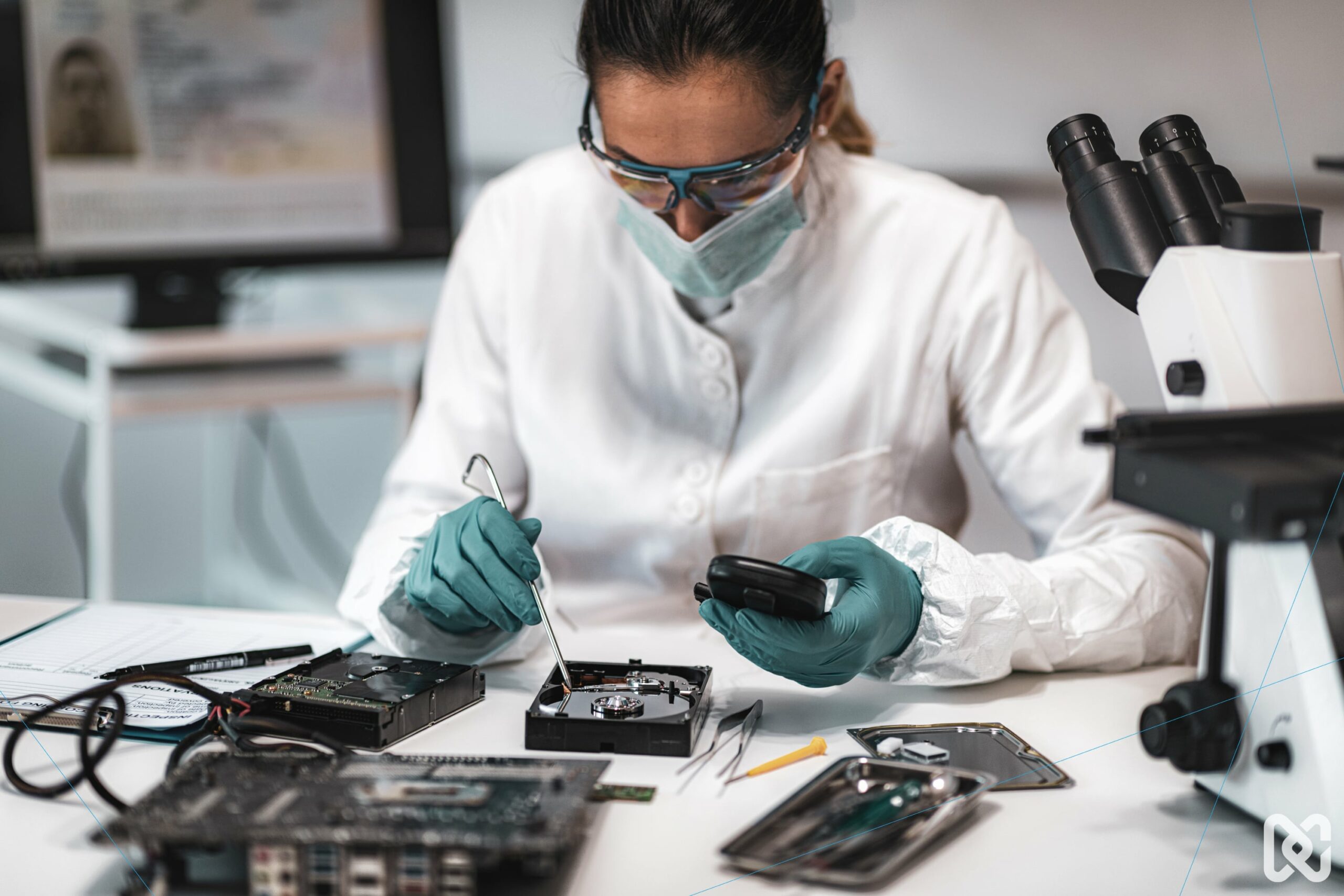
Investigations are becoming more urgent.
Time is a crucial aspect in a lot of investigations. The delay in acquiring, analyzing, or reporting evidence can slow decision-making and raise operational risk and even allow dangers to continue in the absence of a solution.
Inefficient forensic procedures are often result of traditional forensic procedures including manual review, lengthy acquisition times, and disjointed systems.
Modern investigators need solutions which can rapidly gather evidence from a variety of devices, while ensuring the highest levels of security and accuracy. The faster acquisition process allows teams to begin their analysis earlier, which helps investigators to uncover useful information at the time that is most important. Detego Global’s Unified Digital Forensics platform was specifically designed to solve these issues by speeding up every stage of the process beginning with evidence collection until final reporting.
Digital Evidence Doesn’t Stop With Computers
In the past, many investigations concentrated on desktop computers and servers. Today, evidence can exist practically everywhere. Mobile devices include messages, call records, photographs videos, location data, and application activity. Smart devices generate usage logs. Drones can capture images and operational details. Cloud-based apps can save conversations as well as documents. Even removable media, such as IoT and other removable media could be a source of valuable evidence.
Modern computer forensics requires an expanded approach that is impossible using traditional methods. Investigators need to be able to collect and analyze data on thousands of applications and devices. Unified solutions help eliminate any complexity while also improving the efficiency of operations.
Artificial Intelligence Is Transforming Investigations
Manually analyzing the vast quantity of digital evidence available in contemporary cases is becoming more difficult. Artificial Intelligence has revolutionized the ways that investigators review evidence. It assists them in identifying patterns, connections and vital information more quickly than traditional methods.
AI-powered analytical tools may assist with facial recognition and image classification. They can also assist with semantic search as well as translation and transcription optical characters recognition linking analysis and detection of objects. These capabilities let investigators concentrate on evidence that is relevant while reducing the time spent reviewing irrelevant information.
AI-driven Digital Forensics tools can be beneficial to organizations that manage large-scale investigations. They boost speed as well as accuracy.
The significance of DFIR in Modern Security Operations
Cyber-attacks are becoming more sophisticated and more frequent across every industry. Ransomware attacks are an everyday nowadays. They may also involve insider threats, credentials theft, data breaches or financial fraud. A structured strategy is necessary to detect, limit or investigate incidents. DFIR or Digital Forensics and Incident Response plays a key role.
DFIR teams must gather evidence, identify attack methods, assess the extent of compromise and assist in recovery efforts as they adhere to appropriate documentation and chain of custody protocols. Effective DFIR operations depend on efficient tools to manage the flow of evidence and workflows through the entire investigation. A central platform provides uniformity for investigators as well as ensuring that critical information remains in the process of response.
Manage Investigations through a Single Platform
The use of tools that are not connected is a major challenge for a variety of companies. Evidence may be kept in one place, and case notes, and tools for reporting in a different. The workflows for investigating can be managed through separate systems. This can result in inefficiency and increase the risk of committing errors.
Unified investigation platforms address this problem by bringing analysis, acquisition as well as evidence management, workflow tracking and reporting in a single environment. Detego’s system allows investigators handle cases more effectively while ensuring that they have visibility at every phase of the investigation. Centralized management enhances collaboration, improves accountability, and reduces compliance requirements.
In support of both field and lab research
Many investigations do not take place in a forensic laboratory. A lot of situations require evidence collection on the spot, including airports, police stations, frontier crossings, remote locations and active crime scene. Frontline staff must have equipment that is both effective and simple which allows them to swiftly deploy while also doing forensic work.
Modern forensic platforms increasingly support both field-based as well as laboratory-based operations. Portable tools help investigators quickly sort through cases, find relevant evidence, and make an informed decision. This flexibility improves operational readiness while ensuring investigations can continue regardless of where they are.
Cyber Security and Digital Forensics are more connected than ever
Cybersecurity and digital investigations are becoming increasingly crucial as digital threats continue grow.
Digital Forensics is a field that concentrates on the analysis of incidents and provides investigative tools to understand the cause of what happened. Together, these two disciplines can aid in enhancing resilience of organizations as well as enhance detection of threats and respond to emerging risks. Digital evidence gathering, analysis, and action are now essential components of modern security operations.
The Future of Investigations is Faster, Intelligent, and Connected
Digital investigations are getting increasingly complicated as new devices and technologies are developed. Businesses need solutions that are able to keep up with this evolving world, all while ensuring speed, accuracy, and operational efficiency.
By combining advanced Digital forensics capabilities, AI-powered analytics, streamlined DFIR workflows, comprehensive computer forensics tools, and integrated Cyber security support, modern platforms help investigators transform vast amounts of data into actionable intelligence.
As businesses continue to insist on prompt and efficient investigations, unidirectional forensics solutions will grow increasingly essential in helping discover the truth, protect vital assets, as as respond confidently to some of today’s biggest digital threats.
Post: The Challenge of Managing Digital Evidence at Scale
The volume of digital information produced every day is astounding. Smartphones, laptops and cloud platforms can generate huge amounts of data. If investigators are investigating criminal activity, fraud, terror, insider threats or security threats to corporate entities The challenge is no longer finding data. It is imperative to discover the right evidence as quickly and accurately as possible.
Modern investigations demand tools that can handle huge amounts of information without compromising forensic integrity. In an increasingly digital age companies must provide their staff with the tools to keep up with ever-changing requirements for investigation. Digital forensics tools that are advanced have become indispensable for police agencies, intelligence groups and security departments of corporations all over the world.
Investigations are becoming more urgent.
Time is a crucial aspect in a lot of investigations. The delay in acquiring, analyzing, or reporting evidence can slow decision-making and raise operational risk and even allow dangers to continue in the absence of a solution.
Inefficient forensic procedures are often result of traditional forensic procedures including manual review, lengthy acquisition times, and disjointed systems.
Modern investigators need solutions which can rapidly gather evidence from a variety of devices, while ensuring the highest levels of security and accuracy. The faster acquisition process allows teams to begin their analysis earlier, which helps investigators to uncover useful information at the time that is most important. Detego Global’s Unified Digital Forensics platform was specifically designed to solve these issues by speeding up every stage of the process beginning with evidence collection until final reporting.
Digital Evidence Doesn’t Stop With Computers
In the past, many investigations concentrated on desktop computers and servers. Today, evidence can exist practically everywhere. Mobile devices include messages, call records, photographs videos, location data, and application activity. Smart devices generate usage logs. Drones can capture images and operational details. Cloud-based apps can save conversations as well as documents. Even removable media, such as IoT and other removable media could be a source of valuable evidence.
Modern computer forensics requires an expanded approach that is impossible using traditional methods. Investigators need to be able to collect and analyze data on thousands of applications and devices. Unified solutions help eliminate any complexity while also improving the efficiency of operations.
Artificial Intelligence Is Transforming Investigations
Manually analyzing the vast quantity of digital evidence available in contemporary cases is becoming more difficult. Artificial Intelligence has revolutionized the ways that investigators review evidence. It assists them in identifying patterns, connections and vital information more quickly than traditional methods.
AI-powered analytical tools may assist with facial recognition and image classification. They can also assist with semantic search as well as translation and transcription optical characters recognition linking analysis and detection of objects. These capabilities let investigators concentrate on evidence that is relevant while reducing the time spent reviewing irrelevant information.
AI-driven Digital Forensics tools can be beneficial to organizations that manage large-scale investigations. They boost speed as well as accuracy.
The significance of DFIR in Modern Security Operations
Cyber-attacks are becoming more sophisticated and more frequent across every industry. Ransomware attacks are an everyday nowadays. They may also involve insider threats, credentials theft, data breaches or financial fraud. A structured strategy is necessary to detect, limit or investigate incidents. DFIR or Digital Forensics and Incident Response plays a key role.
DFIR teams must gather evidence, identify attack methods, assess the extent of compromise and assist in recovery efforts as they adhere to appropriate documentation and chain of custody protocols. Effective DFIR operations depend on efficient tools to manage the flow of evidence and workflows through the entire investigation. A central platform provides uniformity for investigators as well as ensuring that critical information remains in the process of response.
Manage Investigations through a Single Platform
The use of tools that are not connected is a major challenge for a variety of companies. Evidence may be kept in one place, and case notes, and tools for reporting in a different. The workflows for investigating can be managed through separate systems. This can result in inefficiency and increase the risk of committing errors.
Unified investigation platforms address this problem by bringing analysis, acquisition as well as evidence management, workflow tracking and reporting in a single environment. Detego’s system allows investigators handle cases more effectively while ensuring that they have visibility at every phase of the investigation. Centralized management enhances collaboration, improves accountability, and reduces compliance requirements.
In support of both field and lab research
Many investigations do not take place in a forensic laboratory. A lot of situations require evidence collection on the spot, including airports, police stations, frontier crossings, remote locations and active crime scene. Frontline staff must have equipment that is both effective and simple which allows them to swiftly deploy while also doing forensic work.
Modern forensic platforms increasingly support both field-based as well as laboratory-based operations. Portable tools help investigators quickly sort through cases, find relevant evidence, and make an informed decision. This flexibility improves operational readiness while ensuring investigations can continue regardless of where they are.
Cyber Security and Digital Forensics are more connected than ever
Cybersecurity and digital investigations are becoming increasingly crucial as digital threats continue grow.
Digital Forensics is a field that concentrates on the analysis of incidents and provides investigative tools to understand the cause of what happened. Together, these two disciplines can aid in enhancing resilience of organizations as well as enhance detection of threats and respond to emerging risks. Digital evidence gathering, analysis, and action are now essential components of modern security operations.
The Future of Investigations is Faster, Intelligent, and Connected
Digital investigations are getting increasingly complicated as new devices and technologies are developed. Businesses need solutions that are able to keep up with this evolving world, all while ensuring speed, accuracy, and operational efficiency.
By combining advanced Digital forensics capabilities, AI-powered analytics, streamlined DFIR workflows, comprehensive computer forensics tools, and integrated Cyber security support, modern platforms help investigators transform vast amounts of data into actionable intelligence.
As businesses continue to insist on prompt and efficient investigations, unidirectional forensics solutions will grow increasingly essential in helping discover the truth, protect vital assets, as as respond confidently to some of today’s biggest digital threats.
Recent Post
The Challenge of Managing Digital Evidence at Scale
Read More »Establishing Digital Authority: How E-Commerce Stores Use Social Signals to Drive Direct Sales
Read More »From Workday to Weekend: Versatile Ways to Style Your Long Knotless Braids for Any Occasion
Read More »Deciphering Parting Profiles: How Grid, Diamond, and Triangle Parts Affect Braid Volume
Read More »Understanding Your Rights After a Serious Long Island Accident
Read More »Surviving the NYC Squeeze: Smart Financial Management for Independent Business Owners
Read More »